Vibeselling.site • Discovery Calls
Build Trust Fast: Secret Service Lessons for Sales Pros
Discover how Secret Service trust-building techniques can transform your discovery calls, improve qualification, and accelerate pipeline progression in B2B sales.
AI Summary
Discover how Secret Service trust-building techniques can transform your discovery calls, improve qualification, and accelerate pipeline progression in B2B sales.. This article covers discovery calls with focus on trust building, discovery calls, qualificatio…
Key takeaways
- Table of Contents
- What happened
- Why it matters for sales and revenue
- Practical takeaways
- The "Horns and Halos" Effect
- Mastering the First 90 Seconds
By Kattie Ng. • Published March 12, 2026
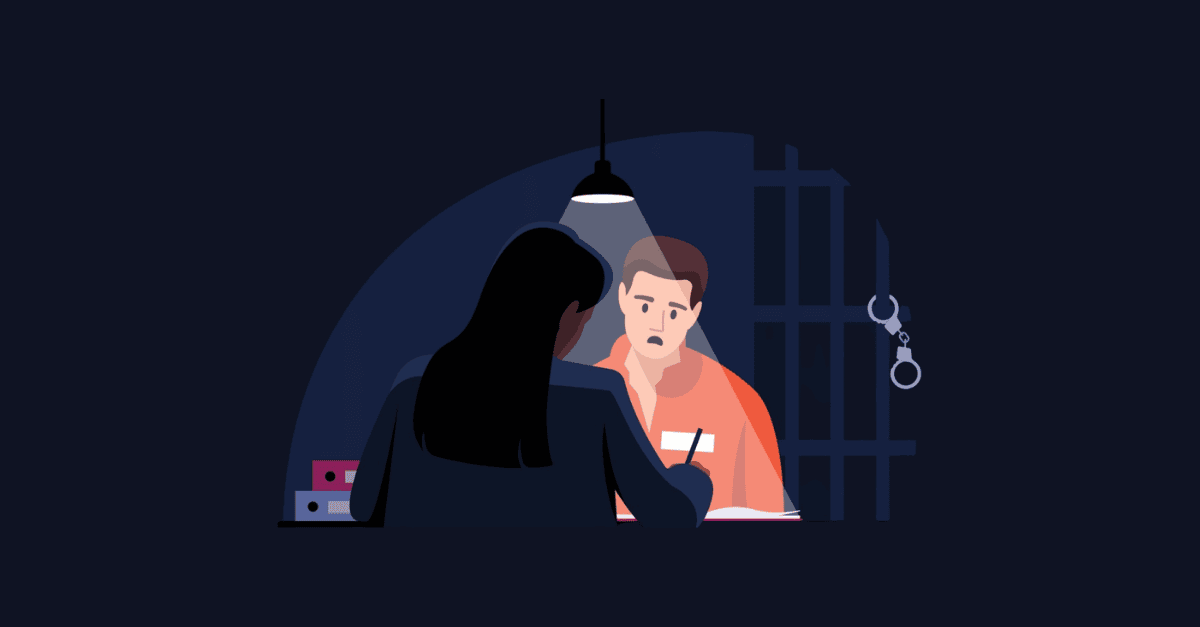
Build Trust Fast: Secret Service Lessons for Sales Pros
In sales, every interaction is a mini-negotiation, a delicate balance of uncovering needs and demonstrating value. But beneath the surface of features and benefits lies a fundamental human element: trust. Without it, even the most compelling solution falls flat. Prospects withhold crucial information, objections become walls instead of questions, and deals stall out.
What if the very techniques used by Secret Service interrogators to build rapport and elicit truth could be applied to your sales conversations? It sounds intense, but the core principles are surprisingly relevant to creating the right "vibe" and accelerating your sales pipeline. It’s not about manipulation; it’s about understanding human psychology to foster genuine connection and open communication.
What happened
A retired Secret Service agent, Brad Beeler, known for conducting an extraordinary number of criminal polygraphs, discovered a profound truth: the same psychological principles that compel hardened individuals to reveal information also apply in the business world. His experience taught him that humans instinctively assign "horns" (danger) or "halos" (safety) to new encounters within milliseconds. As a salesperson, you automatically start with "horns" in the prospect's mind—an interruption, someone asking for their budget, a potential risk.
Beeler's insight wasn't about intimidation; it was about the meticulous, intentional cultivation of an environment where people feel safe enough to tell the truth. He found that mastering micro-behaviors in the first 90 seconds, and adopting a stance of curiosity rather than expertise, dramatically lowers a person's guard. Even small gestures of comfort and respect can create a "confessional environment" that encourages openness. This approach bypasses ancient survival instincts, transforming initial skepticism into trust and willingness to share.
Why it matters for sales and revenue
In sales, starting with "horns" is a significant hurdle. If a prospect perceives you as a threat or simply an annoyance, your discovery calls will be superficial, your qualification incomplete, and your pipeline progression painfully slow. You'll get guarded answers, corporate platitudes, and quick brush-offs. This directly impacts your meeting-to-opportunity conversion rate, leaving you with a pipeline full of unqualified deals that eventually stall or disappear.
Effective vibe selling is all about creating an immediate sense of safety and rapport. When prospects move you from "horns" to a "halo," everything changes. They stop filtering their answers and start revealing the real challenges, the internal pressures, and the true motivations driving their business. This authentic sharing is the bedrock of deep discovery, allowing you to thoroughly qualify opportunities, anticipate objections before they arise, and craft solutions that genuinely resonate. Without this foundation of trust, you're constantly battling skepticism, leading to longer sales cycles, reduced win rates, and ultimately, lower revenue. Mastering these trust-building techniques means moving beyond superficial interactions to forge connections that drive deals forward responsibly and efficiently.
Practical takeaways
The "Horns and Halos" Effect
Your prospects make instant judgments. They quickly categorize you as either a "threat" (horns) or an "ally" (halo). In sales, you nearly always start with "horns" because you represent a change, an expense, and an unknown. Your primary goal in the initial moments of any sales interaction—be it a cold call, discovery meeting, or demo—is to actively work to shift that perception. This is fundamental to establishing the right vibe selling approach; you want to signal safety and helpfulness, not sales pressure.
Mastering the First 90 Seconds
First impressions are disproportionately powerful. The first 90 seconds of any interaction are critical for setting the tone. This isn't about charisma; it's about conscious control over seemingly minor behaviors that send strong signals.
- Physical Signals: A firm, dry handshake (if in person), holding genuine eye contact for a second longer than comfortable, and facing the person directly communicate confidence and honesty.
- Vocal Delivery: Slowing your pace of speech and lowering your tone convey calm and authority, rather than nervousness or an attempt to rush through information.
- Intentionality: Every micro-decision, from how you enter a room to your initial greeting, either reinforces the "horns" or begins to build the "halo." Rushing, avoiding eye contact, or a weak handshake can confirm negative stereotypes and instantly put a prospect on guard, making genuine discovery almost impossible.
Inverting the Dynamic: Become the Learner
Many sellers walk into meetings ready to educate, to impress, and to prove they know more about the prospect's problems than the prospect does. This approach often communicates, "I'm here to tell you what's wrong and how I can fix it." Instead, adopt the posture of a learner. Opening with phrases like, "I need you to help me understand," immediately shifts the dynamic.
Humans are wired to explain. When you position yourself as the curious student, the prospect naturally becomes the expert. This reduces their defensiveness and encourages them to share details about their world, their challenges, and their aspirations that they might otherwise hold back. This technique is invaluable for deep discovery calls, helping you uncover the "unspoken problems" and true pain points essential for effective qualification and crafting relevant sales messaging.
Cultivating a "Confessional Environment"
This isn't about a literal confession, but about creating an atmosphere where the prospect feels safe enough to tell you what's really going on. It’s about eliminating friction points and signaling respect for their time and comfort.
- Respectful Preparation: Show up a few minutes early for virtual calls, ensuring you're ready when they are.
- Pre-meeting Comfort: Send the agenda beforehand to eliminate surprises and allow them to mentally prepare.
- Personal Touch: Briefly ask about their weekend or a non-business topic to ease into the conversation.
- Empathy and Acknowledgment: Explicitly state that you value their time. If they seem uncomfortable on video, offer to turn your camera off. These small acts signal that you are not there to ambush or lecture, but to have a genuine, collaborative conversation. When a buyer feels safe, they'll share the workaround their team built, the spreadsheet that breaks every month, or the manual process leadership mistakenly believes is automated—the critical, unfiltered insights that drive pipeline progression.
Implementation steps
- Self-Assess Your First Impressions: Record your opening 90 seconds of a mock discovery call or meeting. Analyze your handshake (if applicable), eye contact, pace of speech, and tone. Are you sending signals of confidence, openness, and calm, or nervousness and haste? Have a colleague provide candid feedback.
- Practice Micro-Behaviors: Intentionally practice the small cues. Before your next meeting, physically warm your hands. Consciously slow your speech. Practice holding eye contact for a full second longer than feels natural. These mechanical actions, when consistent, become natural trust signals.
- Refine Your Discovery Call Openings: Rewrite your standard opening lines to immediately position yourself as a learner. Replace "I'm here to tell you about X" with "I'm hoping you can help me understand Y." Draft three variations and practice them until they feel natural.
- Review Your Meeting Preparation Routine: Integrate friction eliminators into your pre-meeting habits. Schedule calendar reminders to send agendas 24 hours in advance. Block out five minutes before each virtual call to collect your thoughts and be ready early. Plan a non-business opening question for each meeting.
- Coach on Trust Signals: If you’re a frontline sales manager, incorporate these trust-building techniques into your 1:1 coaching sessions. Review call recordings specifically for the first 90 seconds and how reps transition into discovery. Provide direct feedback on specific behaviors, linking them to improved qualification and deal outcomes.
Tool stack mentioned
Not applicable for this topic.
Original URL: https://vibeselling.site/post/kattie_ng/secret-service-trust-building-sales